Step 01
Chemical Disintegration
Injected into the flame zone, SP ECO SOTIN forms a macroscopic KOH aerosol that reacts directly with silica (SiO₂), sulfur compounds (SO₂/SO₃), and halides in the ash, softening dense deposits.

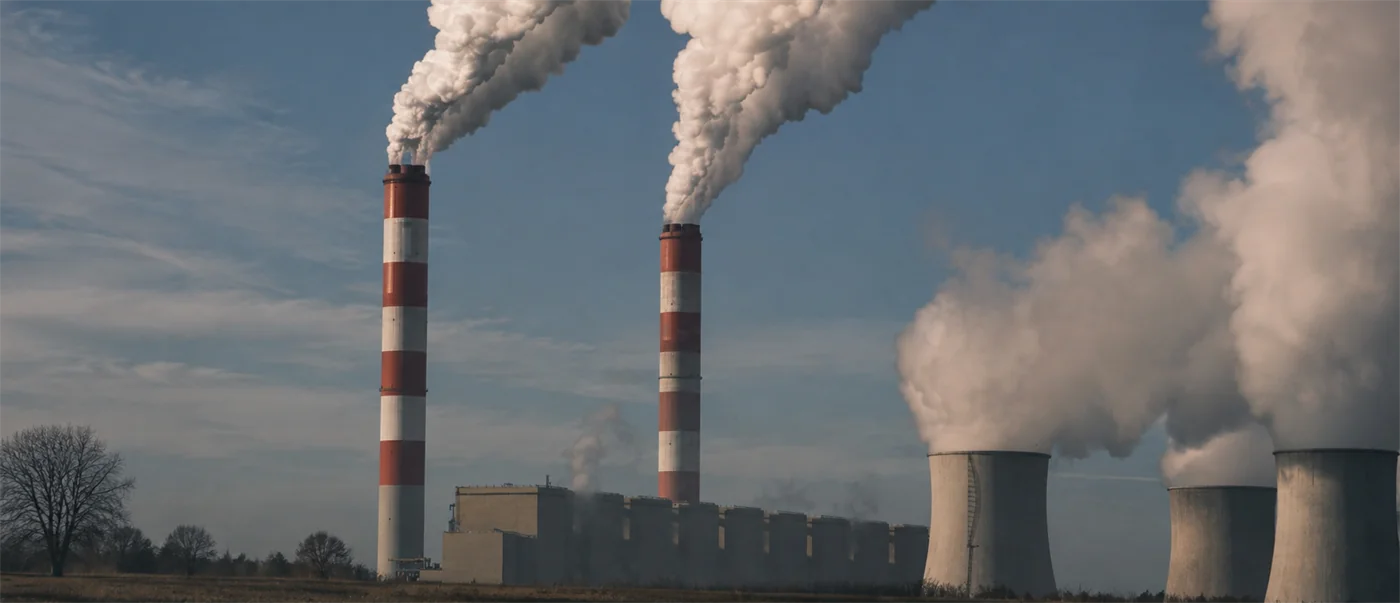
Division 01 · Chemistry
Chemical deposit control and efficiency optimization for Coal, Lignite, Biomass, Heavy Oils / Masut, Municipal Waste, and Waste-Derived Fuels (RDF/SRF).
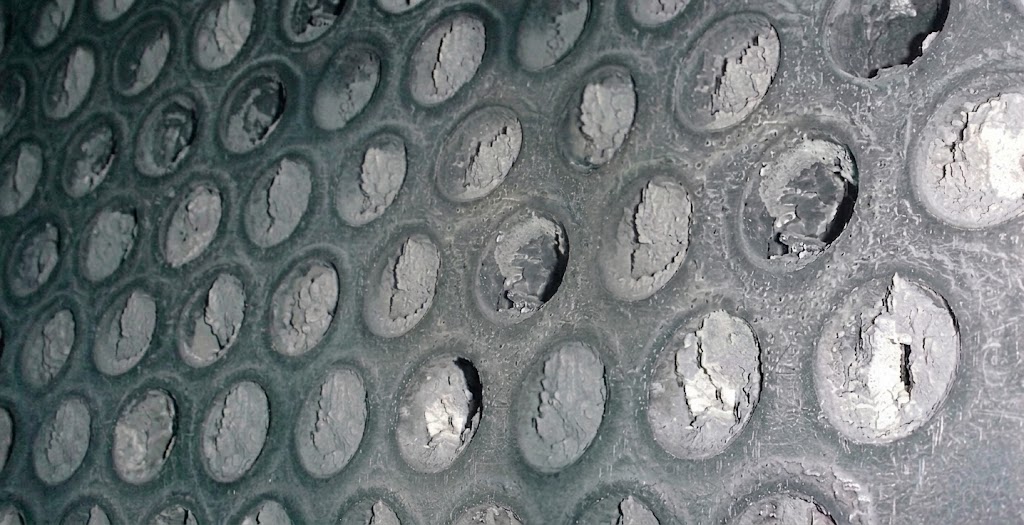
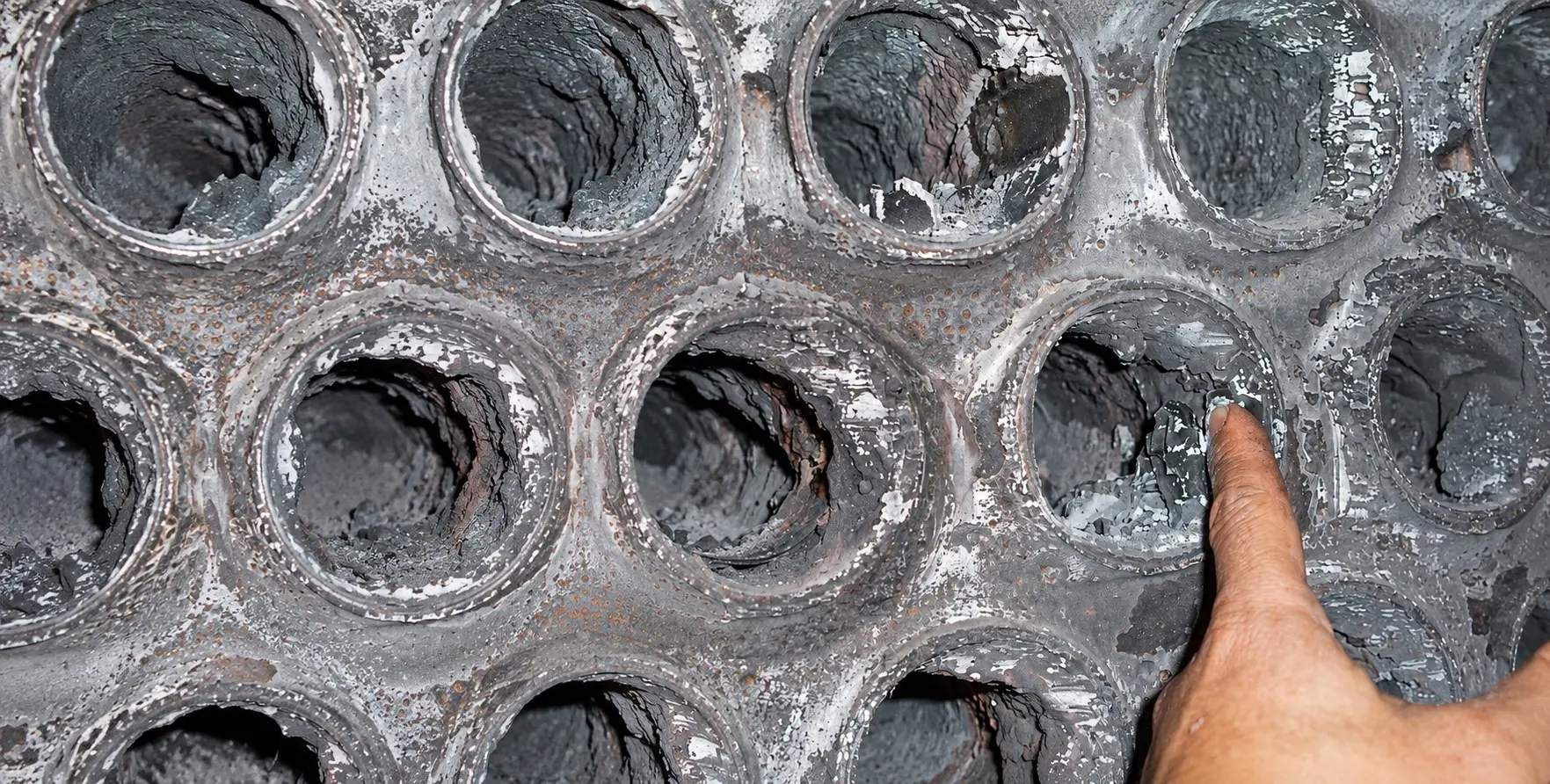
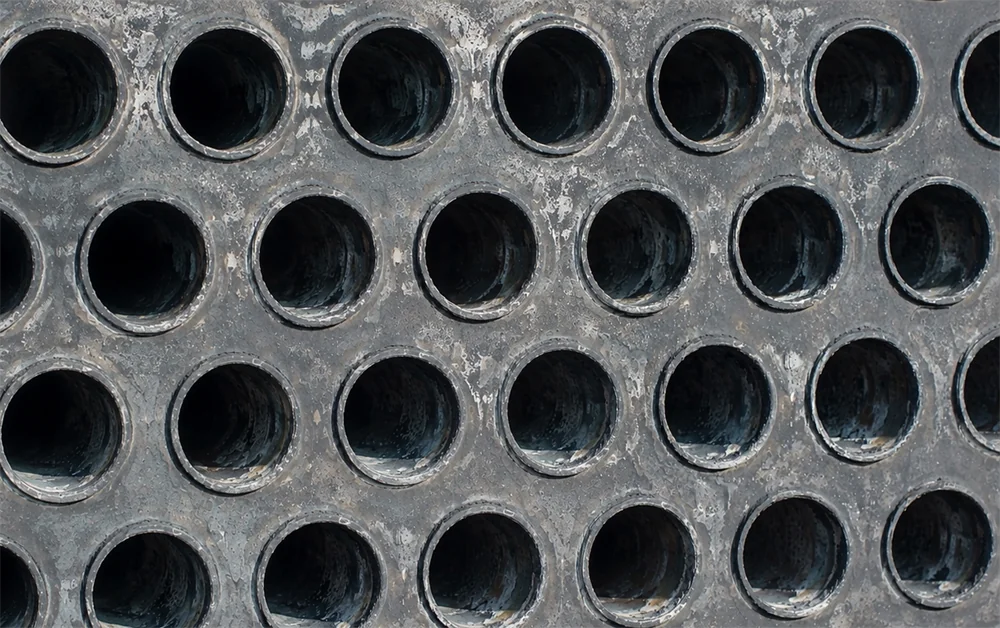
Solid and liquid fuels leave fine ash dust that melts and turns sticky at high temperatures, attaching to boiler tubes and hardening into dense slag.
These deposits act as thermal insulation on boiler walls and heating surfaces, cutting heat transfer, raising flue gas temperatures, and driving fuel consumption and stack emissions upward.
Growing draft resistance overloads ID and FD fans, and because soot blowers cannot remove hardened slag, plants are forced into unplanned shutdowns for manual cleaning.
Primary Operational Impacts:
Thermal Insulation Effect
Slag deposits act as thermal insulators on boiler tube walls, drastically reducing heat transfer efficiency.
Increased Fan & Aux Load
Restricted flue gas passages increase draft resistance, overloading ID/FD fans and driving up internal plant power consumption.
Inadequate Mechanical Cleaning
Standard water/steam soot blowers fail to detach hardened slag, forcing complete plant shutdowns for manual removal.
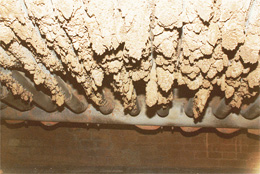
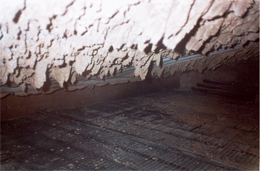
SP ECO SOTIN works chemically from the inside out — reacting with silica and sulfates in the deposits right inside the flame zone.
Injected into the flame zone, SP ECO SOTIN forms a macroscopic KOH aerosol that reacts directly with silica (SiO₂), sulfur compounds (SO₂/SO₃), and halides in the ash, softening dense deposits.
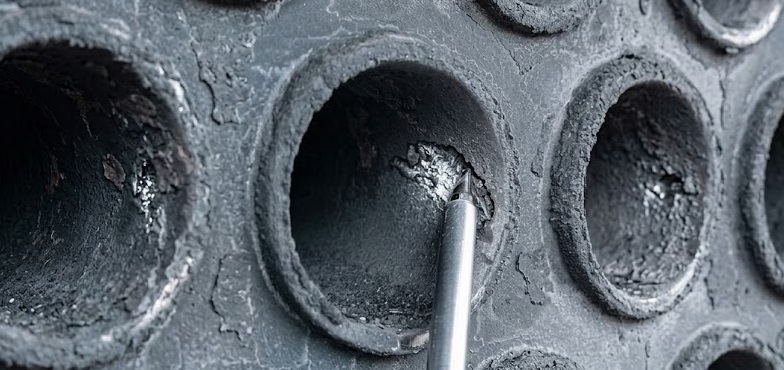
Converts dense slag into a porous, spongy network that collapses under its own weight or is easily cleared by existing plant cleaning equipment (soot blowers, rapping systems, or natural gravity fall).
Neutralizes sulfur trioxide (SO₃) and metal chlorides, forming a passivation layer against low-temperature and vanadium corrosion.

Product Range

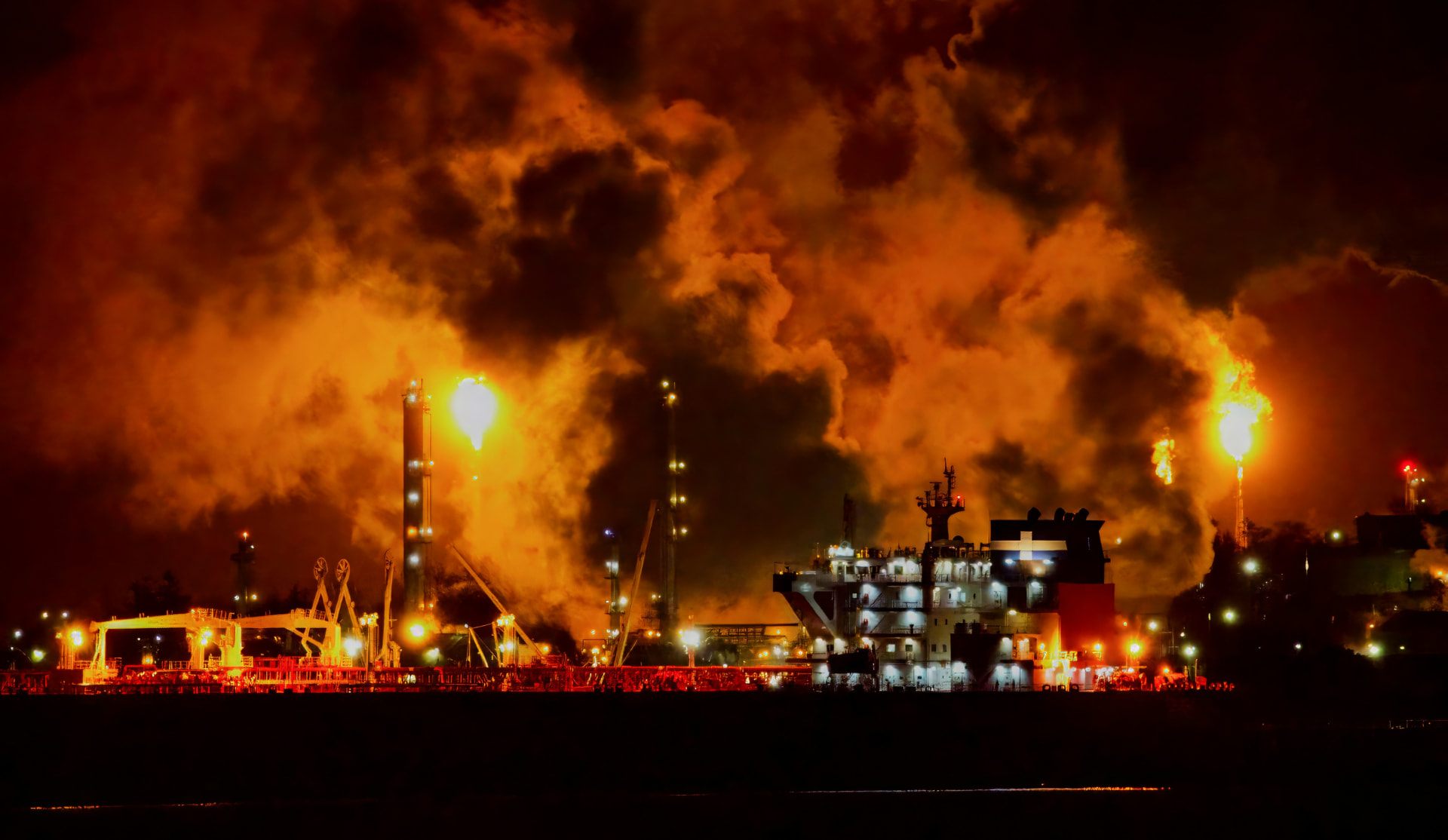
All Types of Coal
Formulated for coal-fired power plants, municipal heating, pulverized, and fluidized bed boilers.
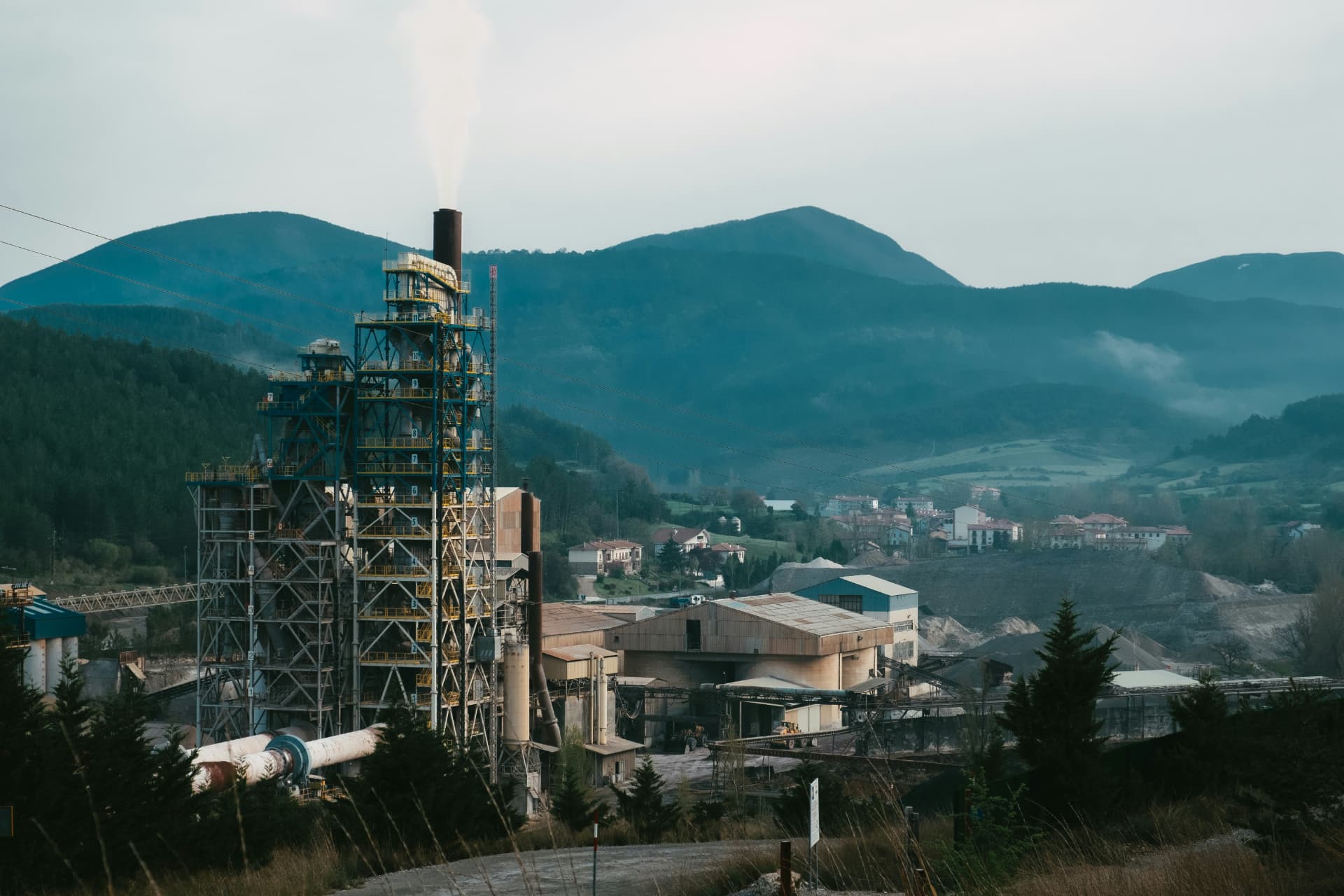
Heavy Oils & Masut
Formulated for heavy fuel oil boilers, masut combustion, and refinery process furnaces.
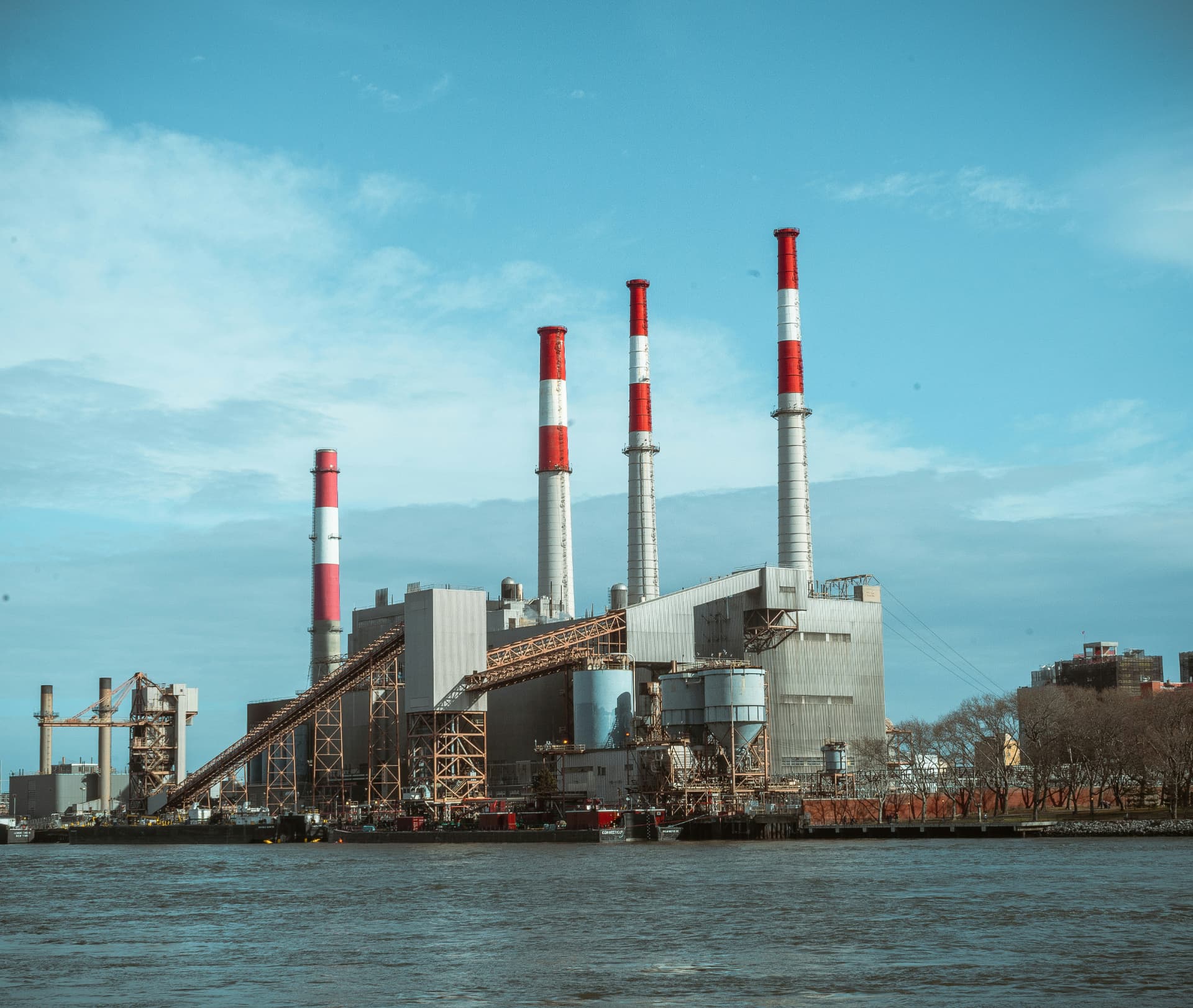
Biomass Fuels
Formulated for biomass, wood waste, bark, and high-alkali fuel combustion facilities.
Alternative & Waste-Derived Fuels (RDF / SRF)
Formulated for municipal waste incinerators and pre-sorted industrial RDF/SRF waste streams.
Dosage & Application
DOSAGE RATE
100 – 300 G / TON OF FUEL
• Initial Online Cleaning (Dirty Boilers): 300 g / ton of fuel injected every 8 hours for 30–40 days to break down established slag and deposits. • Continuous Maintenance: 100 g / ton of fuel injected every 8 hours for continuous maintenance.
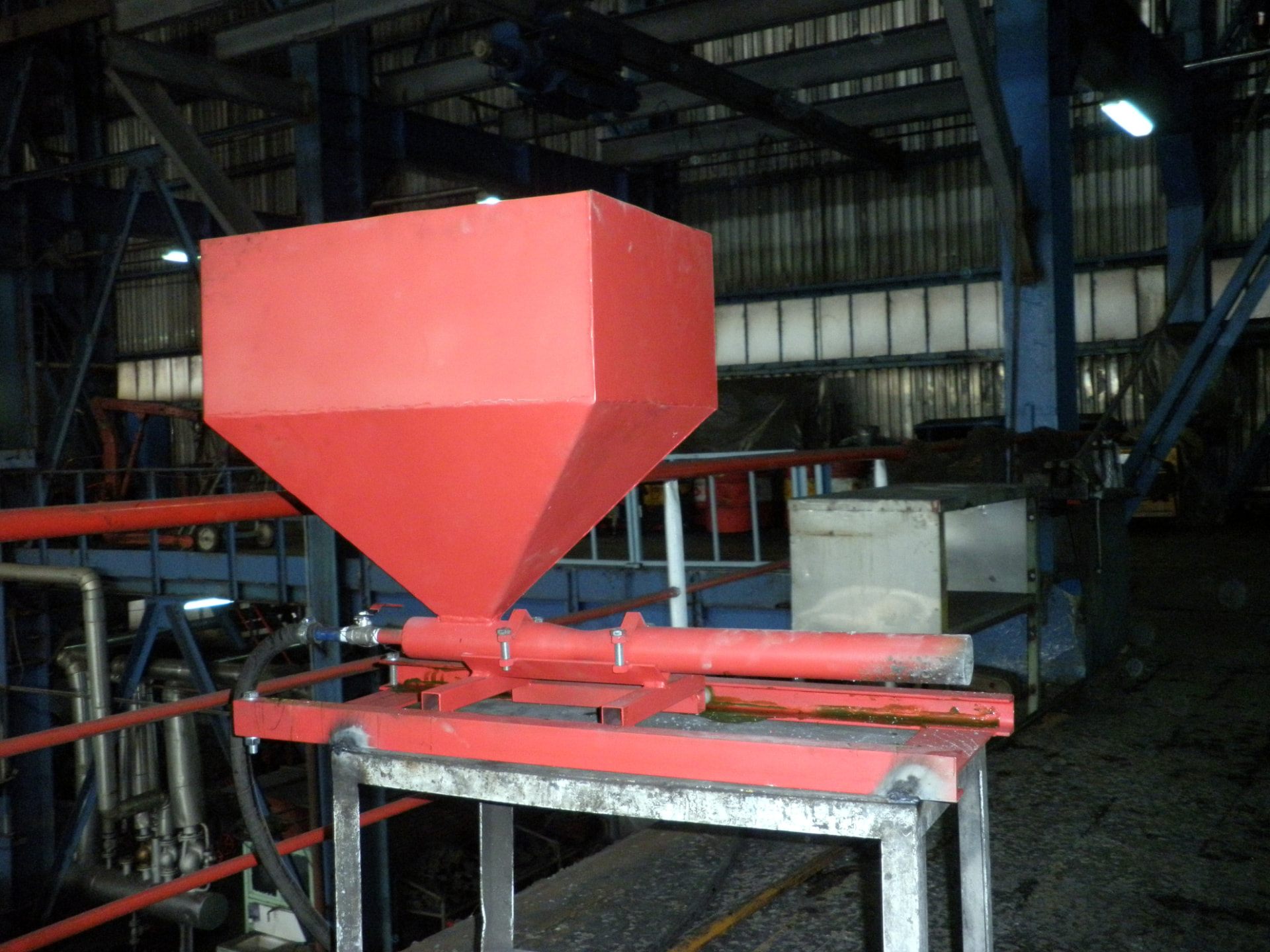
Compressed Air Injection
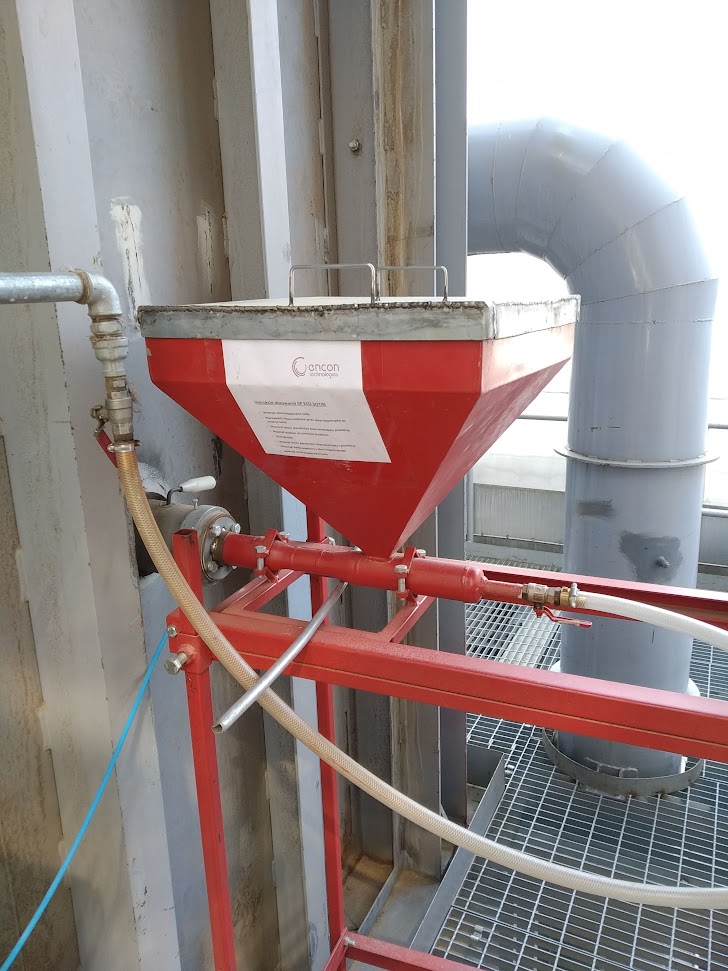
4 – 6 Bar Compressed Air
Simple pneumatic lance connected to a 4–6 bar plant compressed air supply via an inspection port, SNCR opening, or secondary air nozzle.
Injection Duration
30 – 60 Seconds
Rapid injection cycles with zero interruption to ongoing boiler operation.
Benefits & Advantages
Direct reduction in fuel consumption by maintaining clean heat exchange surfaces.
Significant heat recovery improvements after the air preheater (LUVO).
Eliminates unscheduled cleaning shutdowns and extends operating periods.
Substantially reduces low-temperature sulfur corrosion and high-temperature vanadium attack.
Up to 35% SO₂, 33% NOₓ, 18% CO, and 35% particulate matter (dust) reduction.
Fuel savings and reduced maintenance costs deliver rapid, continuous return on investment.
Empirical Research & Case Studies
Real-world test data verifying emission drops and efficiency gains.
Environment Research & Examination Center · Poznań, Poland
Measured at the Poznań test station comparing flue gas composition before and during SP ECO SOTIN dosing.
MAC Study · Shanghai, China
Comparative boiler trial: thermal efficiency increased by 4.09% while coal consumption fell 5.60% at identical load.
Note: Peak reduction values (e.g., up to 77% CO) were achieved under strictly controlled laboratory testing conditions. Standard industrial applications typically yield baseline reductions of up to 35% depending on fuel composition and real-world boiler load
Reaction Chemistry & Corrosion Protection
At temperatures above 500 °C, SP ECO SOTIN forms a reactive KOH micro-aerosol that softens hard slag deposits, neutralizes corrosive gases, and protects boiler steel.
Thermal activation begins at 180 °C (reaching full activity above 500 °C). The microscopic KOH aerosol is carried by flue gas directly onto the boiler tubes. It dissolves the hard silica (SiO₂) bonding layer and metal oxides (SiO₂, Fe₂O₃, Al₂O₃, CaO, MgO, Na₂O, TiO₂, and others) within the slag, transforming it into a soft, porous matrix that either breaks off under its own weight or is easily removed by existing online cleaning systems during normal boiler operation.
Aerosol Formation
2 KNO₃ ⟶ K₂O + 2 NO₂ + ½ O₂
K₂O + H₂O ⟶ 2 KOH
½ O₂ + ½ S ⟶ ½ SO₂
Silica Binding Dissolution
SiO₂ + 2 KOH ⟶ K₂SiO₃ + H₂O
Sulfur & Iron Oxide Reaction
KOH + SO₃ ⟶ KHSO₄
Fe₂O₃ + 6 KHSO₄ ⟶ Fe₂(SO₄)₃ + 3 K₂SO₄ + 3 H₂O
Lignite Calcium Sulfate Displacement
CaSO₄ + 2 KOH ⟶ CaO + K₂SO₄ + H₂O
Beyond cleaning deposits, the aerosol actively neutralizes acidic gases and heavy metals before they can corrode boiler metal:
Acid Corrosion (LUVO & Economizers)
Neutralizes sulfur trioxide before it condenses into sulfuric acid:
2 KOH + SO₃ ⟶ K₂SO₄ + H₂O
Vanadium Protection (Superheaters)
Reacts with hot vanadium pentoxide (V₂O₅) to form potassium vanadate (KVO₃), leaving a protective micro-layer on tube surfaces:
2 KOH + V₂O₅ ⟶ 2 KVO₃ + H₂O
Chlorine Corrosion (Biomass & Waste / RDF)
Converts aggressive metal chlorides into stable sulfates, stopping rapid chlorine attack:
MeCl₂ + SO₃ + H₂O ⟶ MeSO₄ + 2 HCl
Refractory Brick Safety
KOH bonds safely with aluminosilicates (Al₂O₃, SiO₂, CaO) without damaging or weakening refractory boiler lining.
Certifications & Compliance
Officially tested by the German Federal Institute for Materials Research and Testing.
Certified under EC Regulations 1907/2006 (REACH) and 1272/2008 (CLP).
Qualified personnel and official supply permits for specialized chemical handling.
Logistics
Packaging
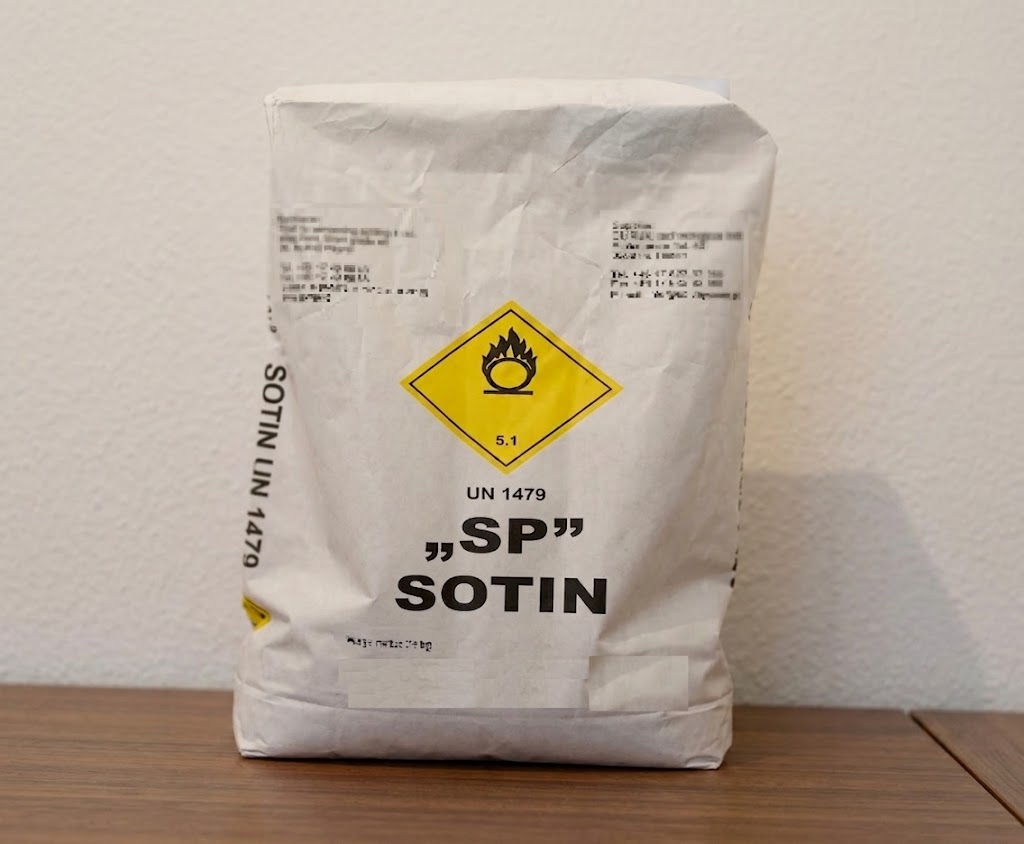
25 kg Industrial Bags or Buckets
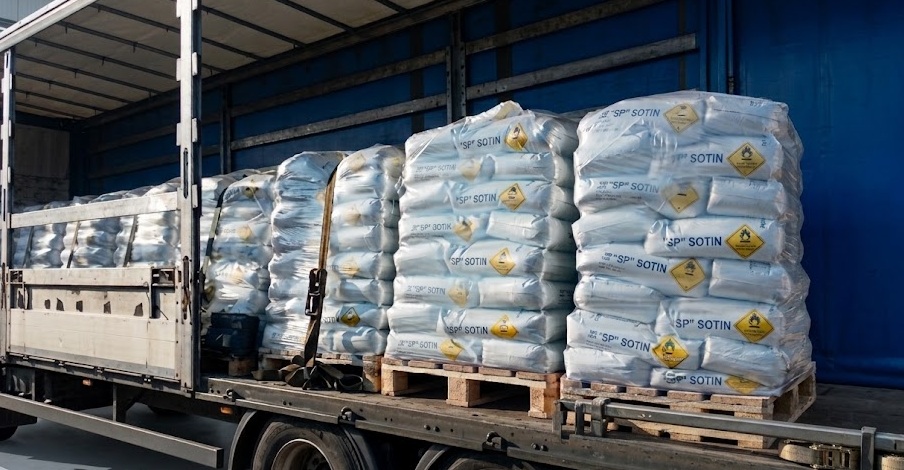
Supplied in secure 25 kg bags or buckets, shrink-wrapped on EUR pallets for safe industrial handling.
Transport
ADR Class 5.1 (Oxidizing)
Fully classified and documented for compliant international transit.
Storage
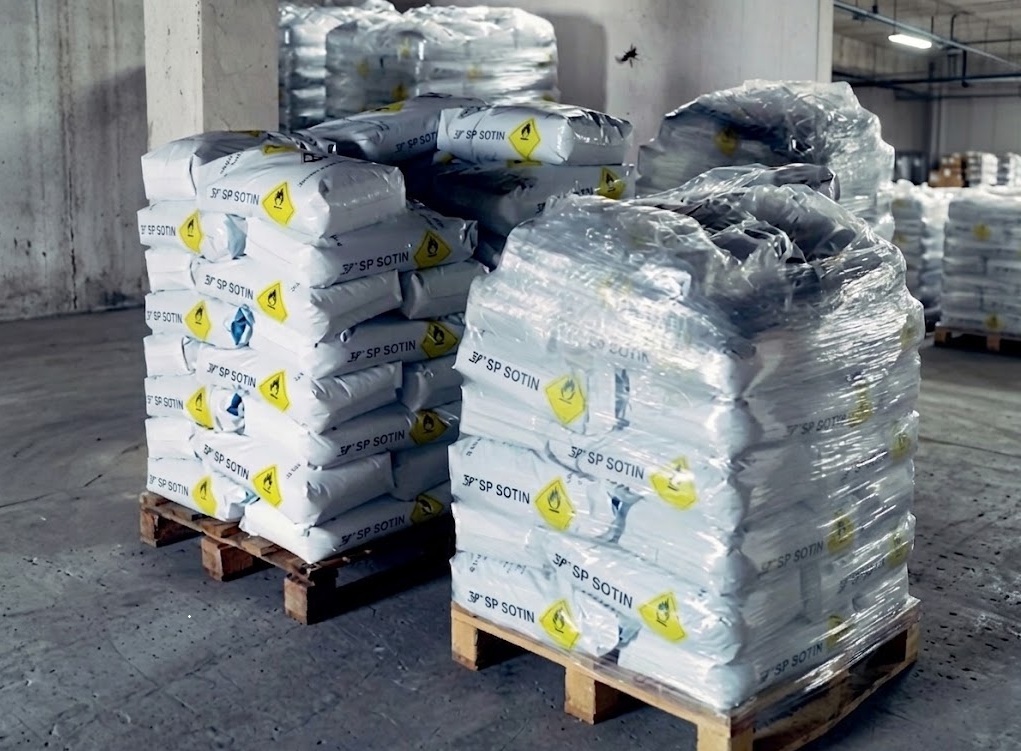
Cool & Dry Environment (Max 65 °C)
Keep away from ignition sources and open flames.
Contact our team for technical inquiries, safety data sheets (SDS / MSDS), or any additional information requests.